 HREN


Meta introduces spaces, custom experiences that Muse builds inside its app from a descriptionMeta, 설명만 하면 Muse 앱 안에 맞춤 화면을 만들어 주는 spaces 공개
Muse builds a space from a description, and people can place it in the sidebar or main tabs and schedule when it appears. Meta says spaces are available everywhere Muse is available, starting November 6.만들고 싶은 것을 설명하면 Muse가 앱 안에 만들어 주고, 사이드바나 탭에 두고 나타날 때를 정할 수 있습니다. Meta는 11월 6일부터 Muse를 쓸 수 있는 모든 곳에서 제공한다고 밝혔습니다.
- Source published원문 게시일
- Checked확인일
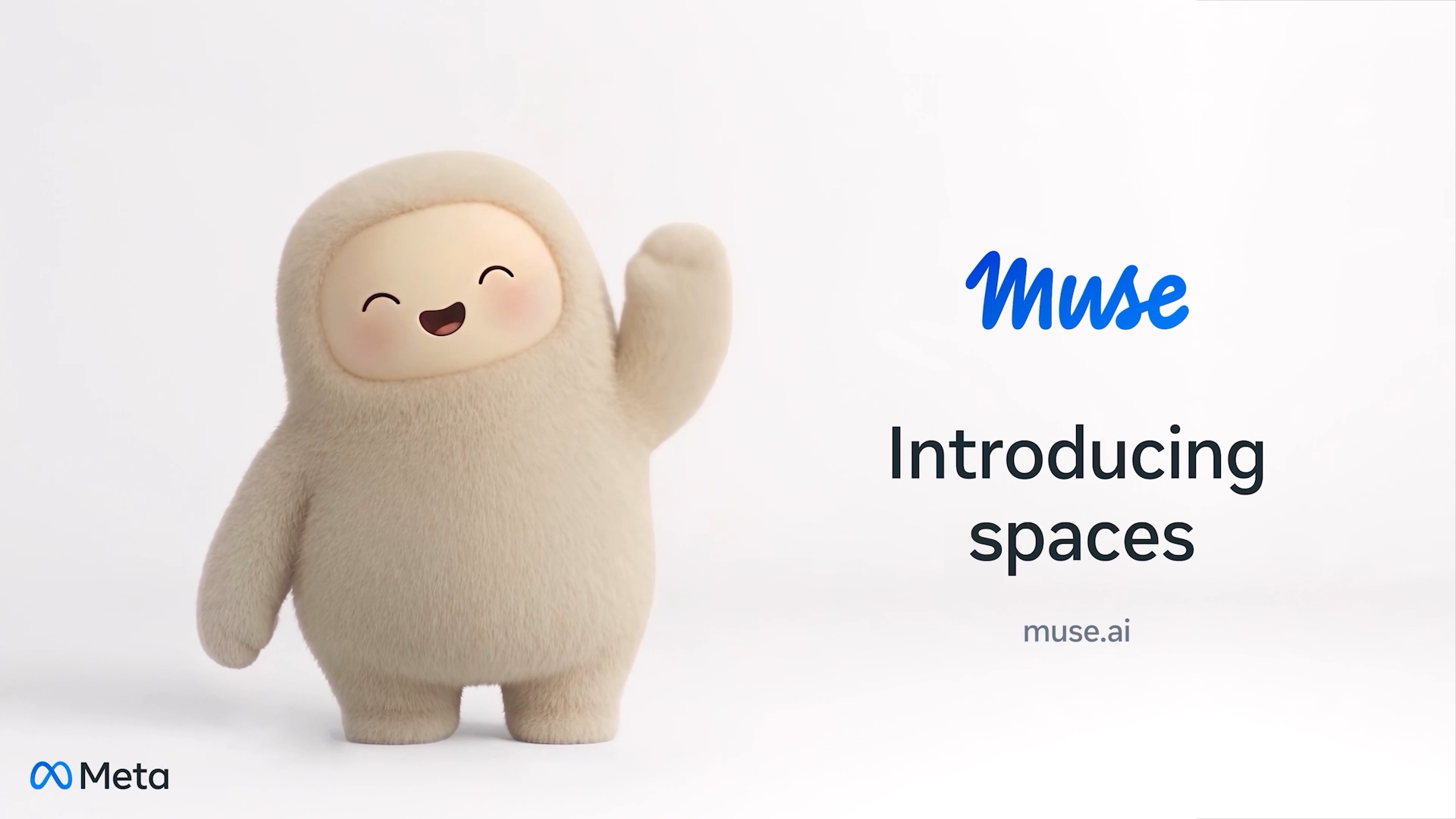
Meta introduced spaces on November 6, custom experiences people create inside the Muse app by describing an idea, as a way to make Muse more personal. The examples include a holiday gift tracker, a daily word game and a planning board for a DIY project, and Muse builds what the person asks for. Meta says every space becomes part of Muse, so people can keep it where they want and come back to it any time.Meta는 Muse 앱 안에서 설명만으로 만드는 맞춤 화면 spaces를 11월 6일 공개하고, Muse를 사람마다 다르게 꾸미는 방법이라고 소개했습니다. 명절 선물 목록, 매일 하는 단어 게임, 집수리 계획판처럼 만들고 싶은 것을 말하면 Muse가 만들어 줍니다. Meta는 만든 space가 Muse의 일부가 되어 원하는 자리에 두고 언제든 다시 열 수 있다고 설명했습니다.
Meta calls the first idea just the starting point, and people keep refining a space with Muse after it is built. As people use a space, they can keep asking Muse to add what is missing, try a new look or change how it works. People also choose where spaces live: in the sidebar or the main tabs, hidden when they are not needed, or scheduled to appear at set times. Meta's example keeps a weekly planner up front during the workweek and swaps it for weekend plans on Saturday.Meta는 처음 설명은 시작점일 뿐이고, 만든 뒤에도 Muse와 대화하며 계속 다듬어 가는 방식이라고 적었습니다. 쓰면서 Muse에게 빠진 것을 더하거나 모양을 바꾸거나 작동 방식을 고쳐 달라고 할 수 있습니다. 놓을 자리도 고릅니다. 사이드바에 넣거나 메인 탭으로 옮기고, 지금 필요 없는 것은 숨기고, 나타날 때를 예약할 수 있습니다. Meta가 든 예는 주중에는 주간 계획표를 앞에 두었다가 토요일에 주말 계획으로 바꾸는 것입니다.
Meta's ideas include a shopping hub that brings gift ideas, wishlists from Instagram saves, Marketplace listings and buyer messages into one view, a school dashboard that finds events in school emails and adds them to a calendar, and a music tracker with new releases and upcoming shows. It also lists a wedding planner, a trivia game, a podcast studio, an order tracker for a small business, a client hub for freelance work and a trip planner.Meta가 제시한 예에는 선물 아이디어와 Instagram 저장 목록, Marketplace 판매 글, 구매자 메시지를 한 화면에 모으는 쇼핑 허브, 학교 메일에서 아이 관련 일정을 찾아 캘린더에 넣는 학교 대시보드, 좋아하는 음악가의 신곡과 예정된 공연을 모으는 음악 트래커가 있습니다. 결혼 준비 목록, 좋아하는 영화나 음악을 묻는 퀴즈 게임, 팟캐스트 제작 정리, 소규모 사업 주문 추적, 프리랜서 고객 관리, 여행 계획도 예로 들었습니다.
Meta says spaces are personal from the start, and once people connect the apps they use, spaces keep themselves up to date in the background. New concert dates, price changes or savings progress show up without asking. People can check things off, add notes and make edits inside a space, and everything is still there when they return.Meta는 space가 처음부터 각자에게 맞춰져 있고, 쓰는 앱을 연결하면 백그라운드에서 스스로 최신 상태를 유지한다고 설명했습니다. 새 공연 날짜, 가격 변동, 저축 진행 상황이 따로 묻지 않아도 나타난다는 것입니다. space 안에서 항목을 체크하고 메모를 남기고 바로 고칠 수 있고, 다시 열면 그대로 남아 있습니다.
Meta says spaces are available everywhere Muse is available, starting November 6. A space is made by describing it in the app, and the post names no plan tier or sign-up step. The post does not list countries or a price.Meta는 11월 6일부터 Muse를 쓸 수 있는 모든 곳에서 spaces를 제공한다고 밝혔습니다. 만드는 방법은 앱에서 설명하는 것이고, 등급이나 신청 절차는 이 글에 적혀 있지 않습니다. 제공 나라 목록과 가격은 이 글에 나와 있지 않습니다.
Meta says it is still exploring ways for people to share spaces with others. The post does not list which apps can connect, how many spaces a person can make, or how data from connected apps is handled.다른 사람과 space를 공유하는 방법은 아직 찾는 단계라고 적었습니다. 연결할 수 있는 앱 목록, 만들 수 있는 space 수, 연결한 앱의 데이터를 어떻게 다루는지는 이 글에 나와 있지 않습니다.
In the same post, Meta says it is also rolling out specialized versions of its models to Muse, trained with learnings from Muse Wonder.같은 글에서 Meta는 Muse Wonder에서 배운 것으로 학습한 전용 버전 모델도 Muse에 내놓고 있다고 적었습니다.
Sources & references원문과 참고 자료
Keep reading더 읽기
All articles전체 글TencentTencent
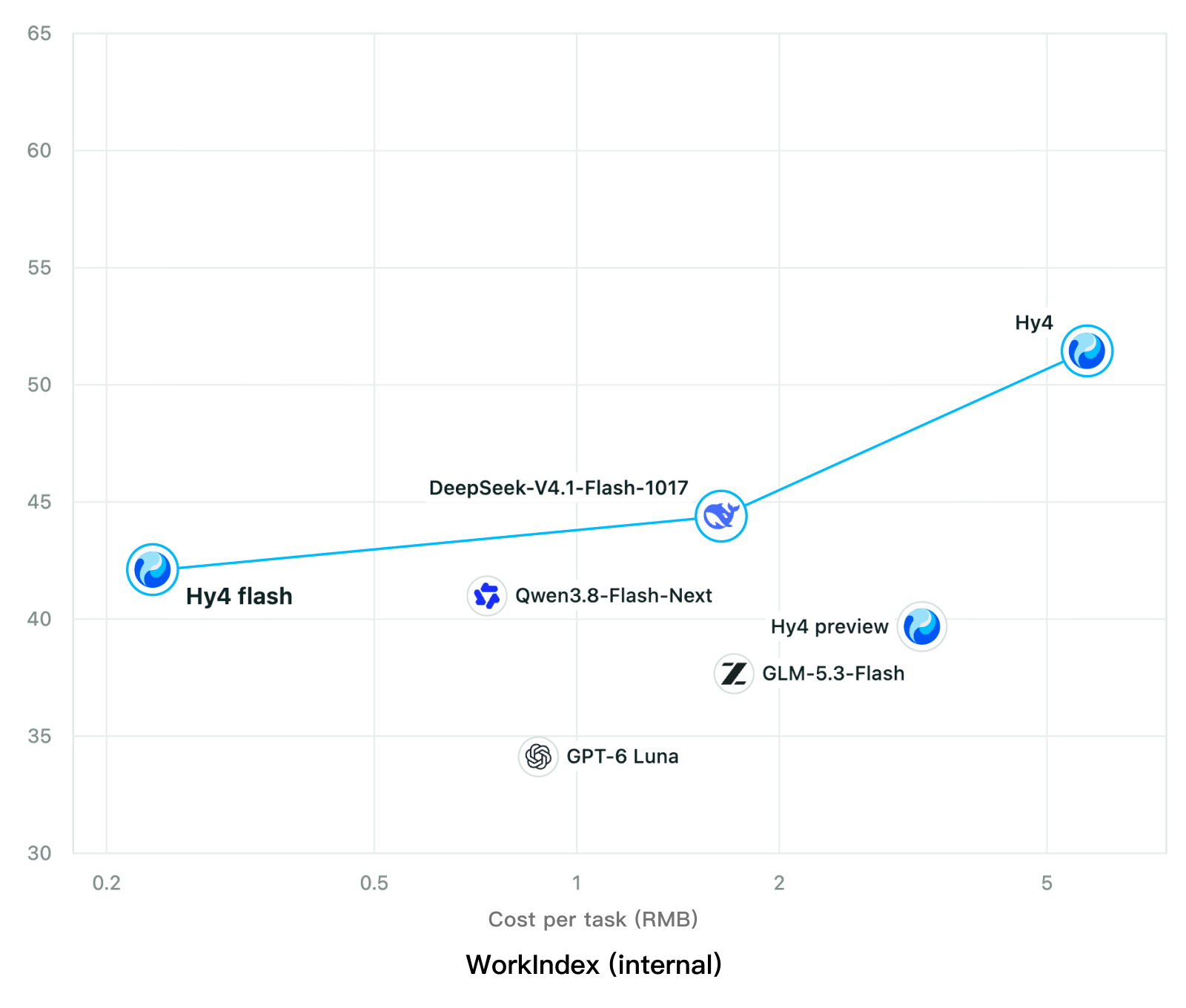
Tencent releases Hy4 flash as open weights, with FP8 and base versions, under the Tencent Hy LicenseTencent, Hy4 flash 가중치 공개 — FP8 · base 모델 포함, Tencent Hy License
Checked확인일
Chart: Tencent Hy4 flash model card. Tencent internal testing.그림: Tencent Hy4 flash 모델 카드. Tencent 내부 시험 결과입니다.
ElevenLabsElevenLabs
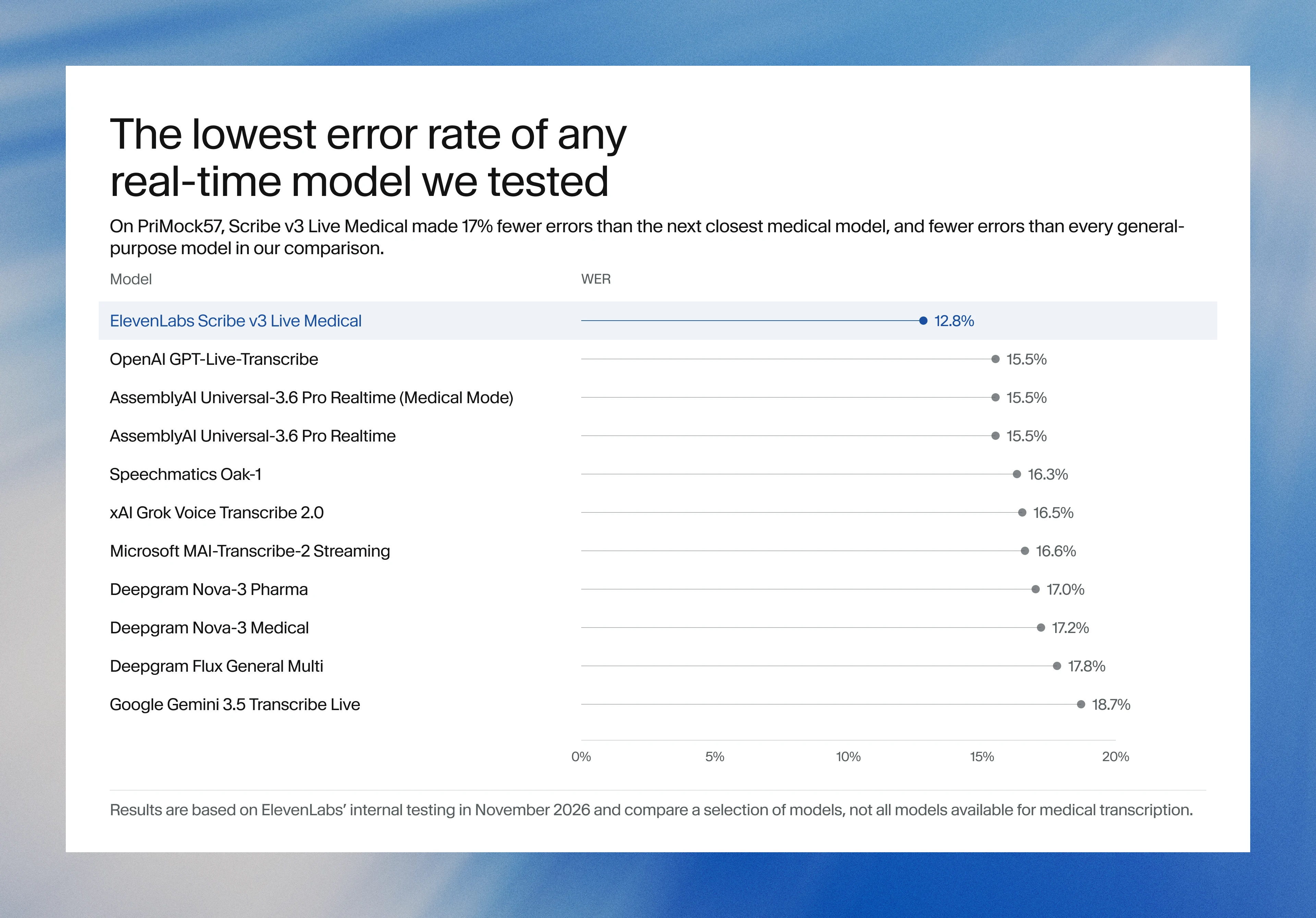
ElevenLabs releases Scribe v3 Live Medical, real-time medical transcription for voice agents in ElevenAgentsElevenLabs, ElevenAgents 음성 에이전트용 실시간 의료 전사 Scribe v3 Live Medical 공개
Checked확인일
Image: ElevenLabs blog.그림: ElevenLabs 블로그.
GoogleGoogle
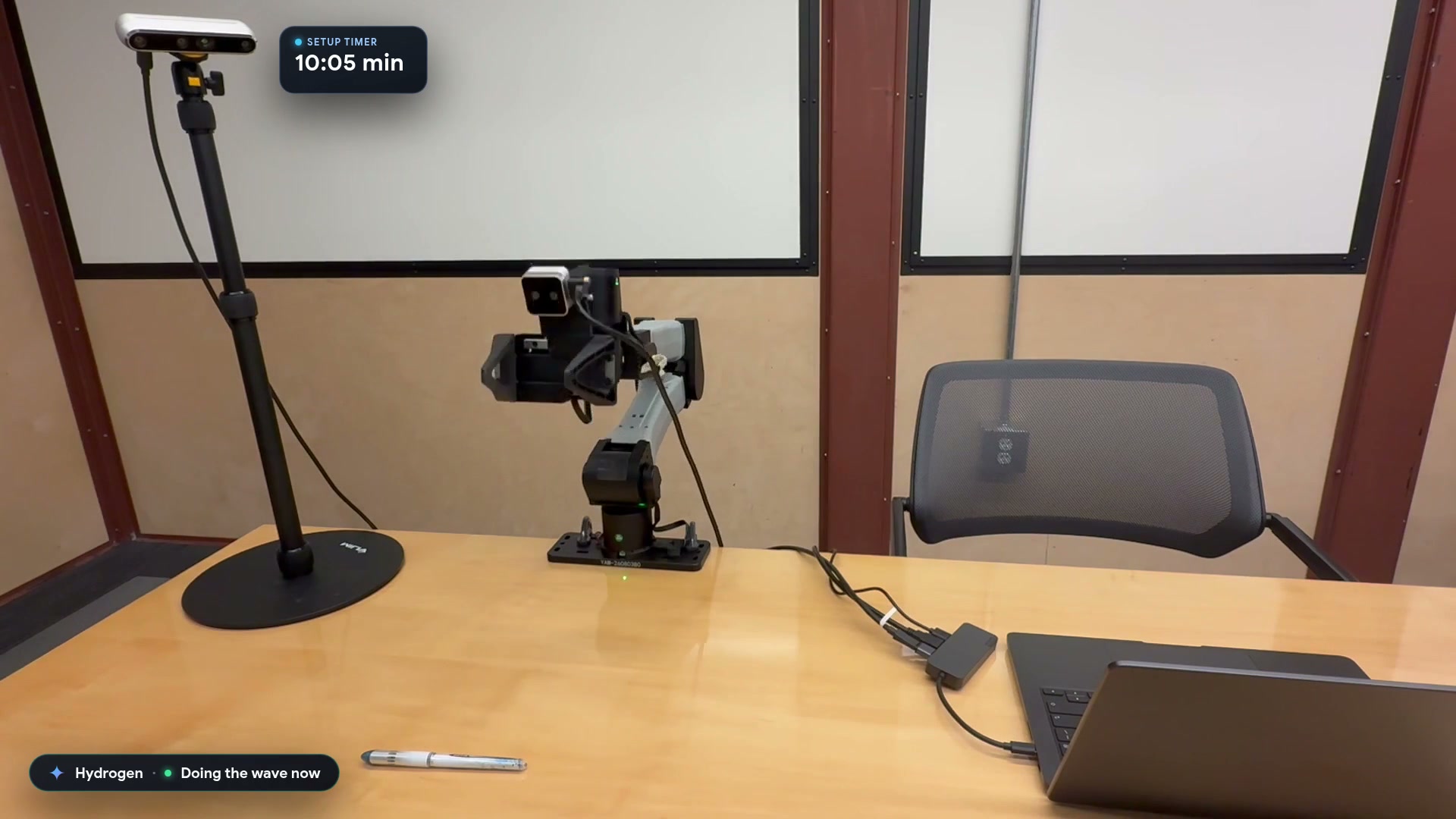
Google launches a Robotics plugin for Google Antigravity that sets up, simulates and controls robot arms with Gemini 4 HydrogenGoogle, Gemini 4 Hydrogen으로 로봇 팔을 준비·시뮬레이션·제어하는 Google Antigravity용 Robotics 플러그인 공개
Checked확인일
Video still: Google Developers Blog.영상 장면: Google Developers 블로그.